

Facing an unplanned pregnancy – and deciding what to do – can be one of the most difficult situations a woman confronts. If you’re considering placing your child for adoption in New York or New Jersey, you’re entitled to be represented by an attorney who treats you with respect and provides you with the support you require. We’re privileged to have assisted many birth parents to make loving and secure adoption plans. If you would like to work with us, we would meet with you to answer your questions, ask you about any challenges you’re confronting and refer you to the resources required to address your needs.
We have many years of experience assisting people in both the independent and agency adoption process. We can assist you to make a secure adoption plan that takes into consideration your emotional, medical and financial needs. Because we’ve been working in the area of adoption law for a long time, we also know how important it is for us to form a strong, personal relationship with one another. Don’t worry, you won’t be charged for our time regardless of whether you decide to place your baby for adoption.
If you wish to more fully inform yourself regarding the legal aspects of the domestic adoption process, please feel free to call us at 914-779-1050 or fill out our contact form.
The process of placing a baby for adoption in New York or New Jersey may be different than you think. In the past, adoption was a closed, secretive affair — but that’s not the way it is today.
You have the right to select the adoptive parents.
You have the right to select the adoptive family and, if you like, you can meet the family before making a commitment to them. You also have a choice as to whether you’d like to have ongoing contact with your child and the adoptive family after the adoption is complete.
Adoptive Parents are carefully screened to ensure they’re qualified to adopt.
It should be comforting to know that all families seeking to adopt go through a strict legal screening process. This process includes an extensive background investigation and a close inspection of the adoptive parent’s home by a home study agency or licensed social worker. During the home study process, the adoptive parents must prove that they have the financial and emotional resources to provide a safe and loving home for a child. Because of that intensive screening, you can be confident that your child will grow up with a family that is able to provide him or her with the love and stability they need and deserve.
There are many reasons someone may consider placing their child for adoption. It may be that they are not yet ready to become a parent or that having a child at this point in their life will require them to defer or abandon other important educational or life goals. Many people also choose adoption because they have other children and lack the resources to parent another child. As your attorneys, we will never pressure you to place your child for adoption. Our job is to provide you with the legal advice and emotional resources you need to help you decide what is right for you. We have the experience, expertise and compassion to guide you through that very important decision. Importantly, Rumbold & Seidelman will not charge you a fee for our legal services because our legal fees, uncovered medical expenses, counseling and legally allowable living expenses are paid by the adoptive family.
The legal requirements for placing a child for adoption vary depending on the state where you and the adoptive parents reside as well as your personal circumstances. In general, the adoption process looks like this:
This is not a choice that’s made overnight, and that’s the way it should be. We are here to answer your questions, including any concerns you may have regarding the birth father and whether his participation in the adoption plan is legally required. We can also refer you to experienced adoption counselors able to help you think through your options for you and your child.
Once you make the decision to place your baby for adoption, you have the option of choosing to place your baby either through an adoption agency or through a private placement adoption with the guidance of an attorney. We can explain all of your options and provide you with the legal guidance you need to complete either type of adoption.
Before selecting the adoptive family, you will likely have the opportunity to communicate with them directly, either by phone or through the internet. Depending on practical considerations – such as where the adoptive parents live – it may be possible for you to meet with the adoptive parents prior to making a decision. You’ll likely find that choosing the right adoptive parents for your child is the most important decision you make in the adoption process.
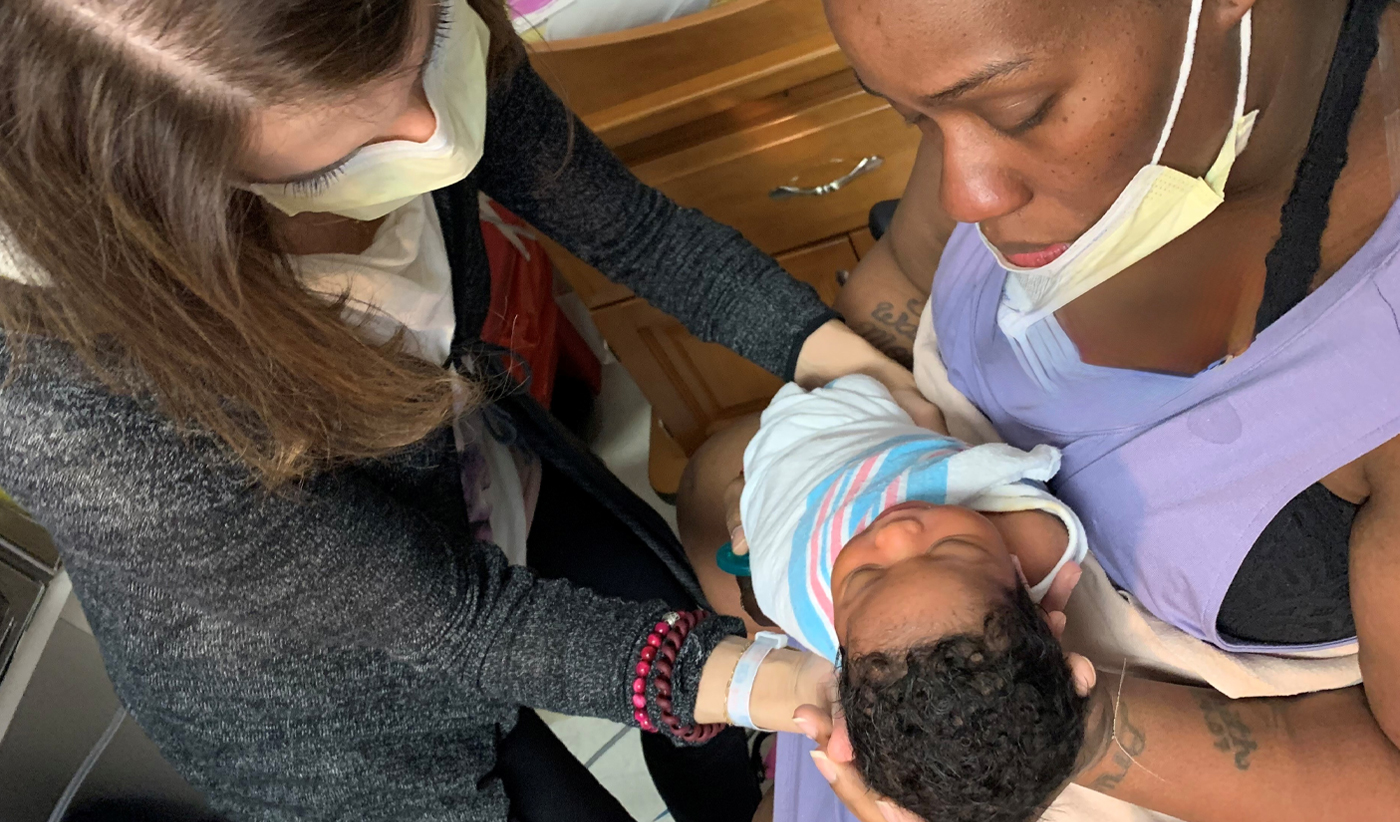
After you’ve selected an adoptive family, we can help you to think through your hospital plan. Keep in mind that, if you place your child for adoption, you will not be responsible for paying your pregnancy-related medical expenses — so you don’t need to worry about that. In creating your hospital plan, you’ll need to decide who you’d like to be in the delivery room, who should be the first person hold the baby after birth, the kind of contact you’d like to have with your baby during your hospital stay and how much contact you’d like the adoptive parents to have with the baby during that time.
After the baby is born, but typically before the baby is discharged from the hospital, you’ll be asked to sign the adoption consent forms. Once the consent documents are signed, the baby can go home from the hospital with the adoptive family.
We are still here for you, even after you place your baby with the adoptive parents. We are happy to facilitate post-placement communication between you and the adoptive family and we can also refer you to experienced professionals able to provide you with post placement counseling. Regardless of how good you feel about your adoption plan, it’s important to recognize that adoption is a choice that will affect you for the rest of your life. For that reason, we will remain available to you even after the legal process is complete.
Whether you’re still thinking through your options or you’re ready to start the adoption process, you can contact us at any time – for no charge and with no obligation. We respect the process you’re going through, and we won’t pressure you to place your child for adoption if you don’t think that’s the best option for you and your child.
If you choose to work with us, we will provide you with all the adoption services you need, including:
Make certain that the attorney you select has experience in the specific type of adoption you wish to pursue.
There are significant differences between the laws governing the adoption of children from public social service agencies (especially children in foster care) and the adoption of children through private agencies or through an independent adoption. It’s therefore essential for your attorney to have experience in the specific type of adoption you’re considering.
Adoption attorneys typically travel to the home of families considering the option of placing an expected child for adoption, especially if meeting at the attorney’s office would present a hardship to the family. After the initial consultation, ongoing communication is either by telephone or e-mail. Because there are so few attorneys specializing in the field of adoption, most adoption attorneys practice in a wide geographic area.
Denise Seidelman is a member of the Academy of Adoption and Assisted Reproduction Attorneys (AAAA). All AAAA attorneys have been invited to join the organization only being carefully vetted and demonstrating that they have extensive experience in the area of adoption law. AAAA provides an on-line directory of attorneys throughout the United States and you can be confident that any AAAA attorney you select will be knowledgeable in the field. Your local bar association may also be able to provide you with the names of attorneys experienced in the field of adoption.
Before selecting an attorney it may be helpful to consider the attorney’s personality, adoption philosophy, and office structure. As long as you are working with an experienced adoption attorney, the legal aspects of the adoption should be handled professionally and within the bounds of the law. The personal and emotional aspects of your adoption experience will vary significantly based upon your choice of attorney. Law firms differ in terms of the size of the practice, the number of staff, the accessibility of the attorney to the clients, the legal fees and costs, the attorney’s adoption philosophy, and the inter-personal skills of the attorney.
In a private placement adoption, the expectant parents search for and select the adoptive parents on their own. Expectant parents can identify potential adoptive parents, by searching on the internet or by reading adoption ads placed in the classified section of your local newspaper. A list of websites hosting adoptive parents’ profiles is set forth in the resource section of this web site. Depending on your circumstances, you may also wish to speak to your treating physician, close family or friends or, if you can do so comfortably, you may wish to confide in respected members of your religious or school community, to see if they are aware of a suitable adoptive family. Whatever avenue you pursue, it’s important for you to feel secure that the person in whom you are confiding will appreciate the sensitivity of this matter and will respect your privacy and your need to be in control of your choices.
Most potential adoptive parents will be happy to provide you with a letter and/or a brochure with information regarding their family and lifestyle. Whether you identify a family privately or through an adoption agency, it’s likely that you will have the opportunity to communicate directly with the adoptive parents either by phone or through the internet. In many cases, depending on practical considerations such as timing and challenges relating to geographic location, it may be possible for you to meet in person with the adoptive parents you are considering.
You have the right to be represented by an attorney whose professional loyalty is to you alone. Because many people considering adoption do not have the financial resources to pay for an attorney, that expense is typically paid by the prospective adoptive parents. Once you’ve retained an attorney, your attorney should guide you every step of the way. In addition, it’s a really good idea to obtain adoption related supportive counseling because an experienced therapist can also help you think through your options for you and your child. Should you decide to place your child for adoption, post placement counseling can provide you with the emotional support you need at that time. The cost of adoption-related counseling is another expense typically paid by the adoptive parents unless you already have coverage through either Medicaid or private insurance.
In an agency adoption, the agency maintains profiles from which you can select potential adoptive parents.
The agency’s caseworkers will obtain basic background information from you, advise you regarding your legal options (they may refer you to an attorney) and provide you with supportive counseling. After the baby is born, if you still wish to place your child for adoption, the agency will arrange for you to sign the legal documents required to surrender your parental rights to the agency. After the surrender document is signed, the agency will place your child in the physical custody of the adoptive parents. The agency retains legal custody of the child until the adoption has been “finalized” by the court.
Although adoptive parents and birth parents don’t always learn identifying information (e.g. last name and address) about one another there are a growing number of adoptions where identifying information is disclosed. If you and the adoptive parents don’t wish to disclose identifying information, letters and pictures can still be exchanged through the agency or the attorneys involved in the adoption. It’s also increasingly common for adoptive parents and birth parents to communicate directly by e-mail while still preserving their confidentiality.
It’s our experience that birth parents vary widely in terms of their desire for post placement contact. Some birth parents don’t wish to maintain contact because they prefer to put the adoption process behind them. Others want their post placement contact to be limited to letters and pictures- so they can simply know whether their child is thriving. Finally, many birth parents and adoptive parents wish to have post placement, in-person contact, believing that’s best for the child. Most importantly, any decision regarding post placement contact must be sufficiently flexible to take the child’s emotional needs into consideration. No matter what you decide, it’s important to reflect deeply on your decision with the primary emphasis being the best interest of your child.
